

Most people associate mice with the colder months of the year. They expect to hear scratching noises in the loft during October or discover droppings in the kitchen once winter arrives. However, by the time those obvious signs appear, mice have often been living inside the property for weeks.
Across Southampton, July and August are an important period for mouse activity. As the weather begins to change and daylight hours gradually shorten, mice start searching for safe places to nest before autumn arrives. Lofts, garages, wall cavities and under-floor spaces become increasingly attractive, particularly in older properties and homes with small structural gaps.
This means summer is often the best opportunity to prevent an autumn infestation before mice become established.
Whether you live in Shirley, Portswood, Bitterne, Bassett, Woolston, Hedge End or Southampton city centre, understanding why mice move indoors can help you protect your property and avoid costly damage later in the year.
If you have already noticed signs of rodent activity, professional pest control in Southampton can identify entry points and deal with the problem before it becomes more serious.
Why Mice Begin Looking for Homes Before Autumn
Mice Think Ahead of the Weather
Unlike many people assume, mice do not wait until temperatures drop before moving indoors.
House mice are constantly searching for reliable shelter, and late summer is one of the busiest times of year for scouting new nesting sites. They instinctively seek locations that will provide warmth, safety and easy access to food during the colder months ahead.
Rather than reacting to cold weather, mice prepare for it.
By September and October, many mice have already established nests inside buildings, making them much harder to remove.
Southampton Offers Ideal Conditions
Southampton provides excellent conditions for mice because of its mix of housing, commercial premises and green spaces.
Areas including:
- Shirley
- Portswood
- Bassett
- Bitterne
- Woolston
- Hedge End
- Highfield
- Swaythling
- Southampton city centre
all contain environments where mice can easily find food, water and shelter.
Older terraced properties often contain small structural gaps that develop over time, while newer housing estates can still have utility entry points or poorly sealed pipework that provide easy access.
Gardens, parks, railway embankments and green corridors throughout Southampton also allow mice to move between outdoor habitats and residential properties with very little disturbance.
Why Mice Choose Homes Instead of Staying Outdoors
Reliable Food Sources
Food is one of the strongest reasons mice move indoors.
Even tidy homes can provide enough food to support a mouse population.
Common attractions include:
- Pet food
- Bird seed
- Cereals
- Cupboard food
- Crumbs behind appliances
- Overflowing kitchen bins
A mouse only needs a very small amount of food each day to survive.
Warm, Undisturbed Nesting Areas
Mice rarely build nests where people spend most of their time.
Instead, they prefer quiet areas such as:
- Loft insulation
- Wall cavities
- Behind kitchen cupboards
- Under bath panels
- Garage shelving
- Garden sheds
These areas offer protection from predators while allowing mice to remain close to food supplies.
Lofts are particularly attractive because they are warm, dry and rarely disturbed.
Why Southampton Lofts Are a Favourite for Mice

Many Southampton homes have roof spaces that are ideal for nesting.
Mice can gain access through surprisingly small openings around:
- Roof tiles
- Fascias
- Soffits
- Air bricks
- Pipe penetrations
- Cable entry points
Once inside, loft insulation provides an excellent material for building nests.
Homeowners often do not discover activity until scratching noises become noticeable during the evening.
By that stage, the infestation may already be well established.
If you have already experienced rat problems, you may also find our guide explaining why rats are common in Southampton properties useful, as many of the same structural weaknesses allow both rats and mice to gain access.
Signs Mice May Already Be Inside Your Home
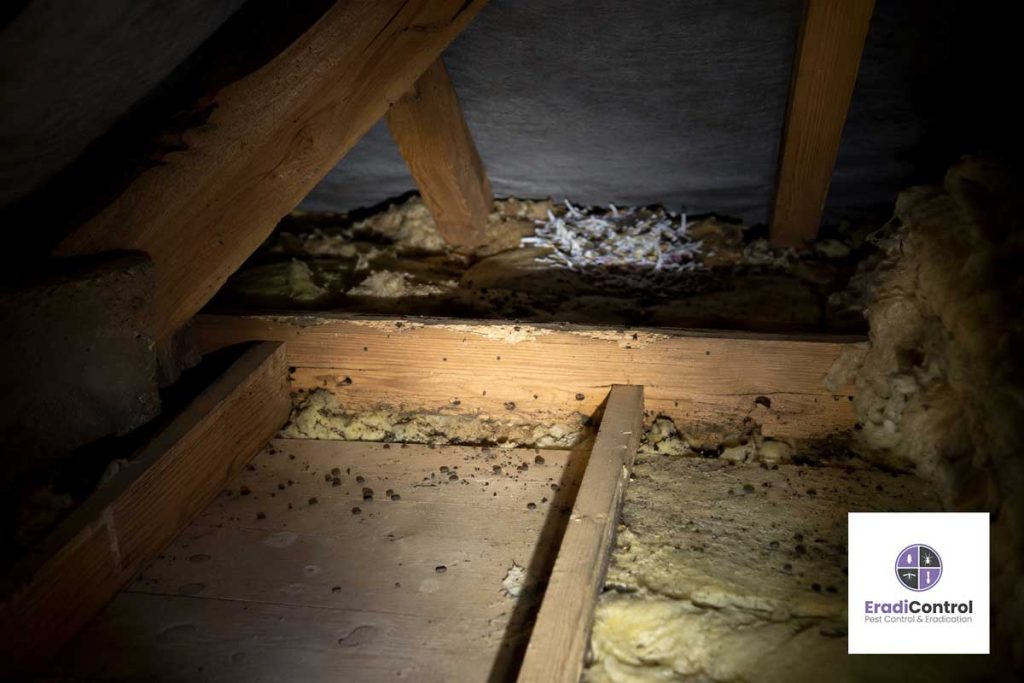
One of the biggest mistakes homeowners make is assuming they would immediately notice mice.
In reality, mice are extremely discreet.
Small Droppings
Mouse droppings are much smaller than rat droppings.
They are usually:
- Dark brown or black
- Around 3 to 6 mm long
- Pointed at each end
Common locations include:
- Kitchen cupboards
- Under sinks
- Loft spaces
- Behind appliances
Fresh droppings usually indicate current activity.
Scratching Noises
Mice are most active after dark.
Many homeowners first hear:
- Scratching above ceilings
- Movement inside walls
- Scurrying beneath floorboards
These noises often become more noticeable as the household becomes quiet.
Chewed Materials
Because mice have continuously growing teeth, they regularly gnaw materials including:
- Cardboard
- Plastic
- Timber
- Electrical wiring
- Food packaging
Chewed electrical cables should never be ignored because they can become a significant fire risk.
Nesting Materials
Mice collect soft materials to build nests.
Look for shredded:
- Loft insulation
- Paper
- Cardboard
- Fabric
- Packaging
Nests are usually hidden inside lofts, cupboards or wall voids.
Why Waiting Until Autumn Can Make the Problem Worse
Many people delay taking action because they only see one mouse.
Unfortunately, mice reproduce extremely quickly.
A single breeding pair can produce several litters each year, meaning a small problem during July can become a substantial infestation by autumn.
By the time scratching becomes obvious in October:
- Multiple generations may already be present
- Nests may have expanded
- Additional entry routes may have developed
- Property damage may already have occurred
This is why preventative action during summer is often far more effective than reactive treatment later in the year.
Preventing Mice Before They Move In
Inspect the Outside of Your Property
Walk around your home and look for:
- Cracks in brickwork
- Damaged air bricks
- Gaps around utility pipes
- Broken vents
- Missing roof tiles
Remember that mice can squeeze through openings little larger than a pencil.
Keep Gardens Tidy
Overgrown gardens provide excellent cover for rodents.
Regularly:
- Cut back vegetation
- Remove debris piles
- Store firewood off the ground
- Keep compost bins well maintained
This makes the surrounding environment less attractive.
Store Food Correctly
Reducing available food sources makes your property much less appealing.
Use sealed containers and avoid leaving pet food out overnight.
Why DIY Mouse Control Often Fails
When homeowners first discover signs of mice, it is understandable that they want to solve the problem themselves. Supermarkets and DIY stores stock a wide range of traps, bait stations and deterrents that promise quick results.
While these products may catch one or two mice, they rarely solve the underlying problem.
This is because successful mouse control is about much more than removing the mice you can see.
Professional technicians look for:
- How mice entered the property
- Where they are nesting
- Whether multiple entry points exist
- The size of the infestation
- Food and water sources
- Structural weaknesses that allow re-entry
Without addressing these factors, new mice often replace those that have been removed.
In many cases, homeowners believe the infestation has been solved, only for scratching noises to return a few weeks later.
Why Mouse Proofing Is Just as Important as Treatment
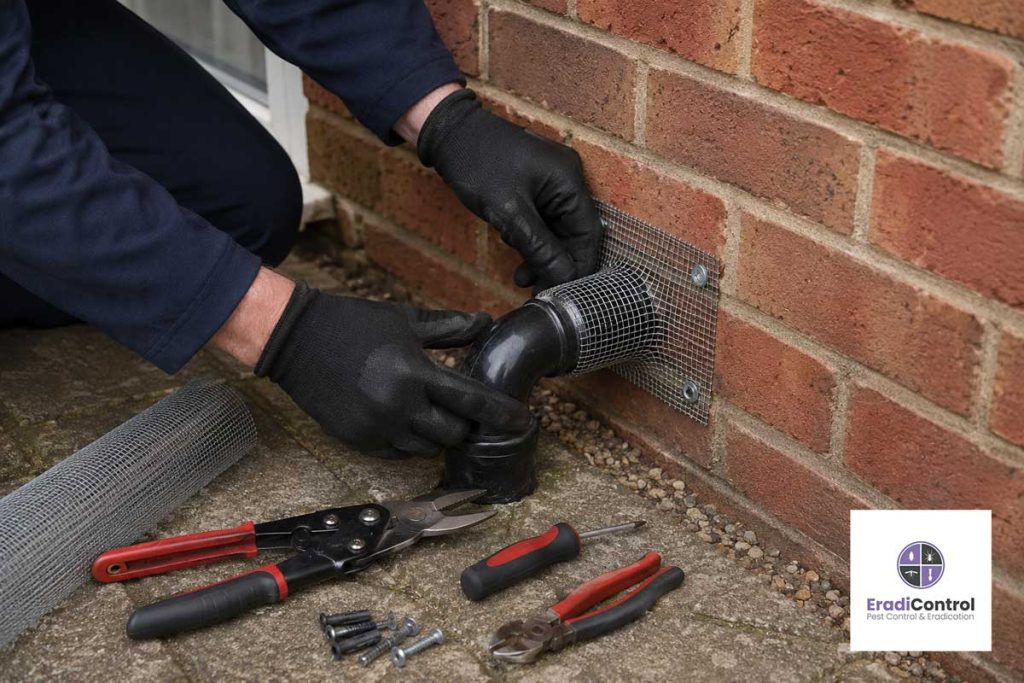
Removing mice without proofing a property is similar to fixing a leaking roof without repairing the hole.
Unless access points are sealed, more mice can simply enter.
Professional proofing often includes:
- Sealing gaps around pipework
- Repairing damaged air bricks
- Installing rodent-proof mesh
- Closing gaps beneath doors
- Repairing damaged vents
- Identifying weaknesses around the roofline
These preventative measures significantly reduce the likelihood of future infestations.
Where mice are already established, professional Rodent Control combines treatment with practical proofing advice to provide a long-term solution rather than a temporary fix.
Why Mouse Infestations Can Become Expensive
Many homeowners underestimate the damage mice can cause.
Although they are much smaller than rats, mice are capable of creating significant problems if left untreated.
Common damage includes:
- Chewed electrical wiring
- Damaged loft insulation
- Contaminated food cupboards
- Destroyed stored belongings
- Damage to plasterboard and timber
- Unpleasant odours from nesting areas
Electrical damage is particularly concerning because exposed wiring increases the risk of faults and, in some cases, fire.
Early intervention is almost always less expensive than repairing the damage caused by a long-established infestation.
Mouse Problems in Southampton Businesses
Mouse infestations are not limited to homes.
Businesses throughout Southampton can also experience problems, particularly where food is stored or prepared.
Commonly affected premises include:
- Restaurants
- Cafés
- Convenience stores
- Warehouses
- Offices
- Hotels
- Student accommodation
- Care homes
For commercial premises, a mouse infestation can result in:
- Food contamination
- Failed inspections
- Reputational damage
- Customer complaints
- Loss of revenue
Regular inspections and preventative pest management help reduce these risks before they affect daily operations.
Why Summer Is the Best Time to Prevent Autumn Mouse Problems
Many pest control companies become busiest once autumn arrives.
By then, mice have often:
- Established nests
- Produced young
- Found multiple food sources
- Created regular movement routes throughout the property
Treating infestations during summer is generally simpler because populations are often smaller and mice are still exploring rather than fully established.
This proactive approach helps homeowners avoid the disruption that commonly occurs during October and November.
If you notice sudden mouse activity or believe rodents have entered your property, prompt action through Emergency Pest Control can help prevent the infestation becoming much larger.
Practical Steps Southampton Homeowners Can Take Today
Although professional treatment is often the most effective solution, homeowners can reduce the risk of infestation by carrying out regular inspections.
A useful checklist includes:
- Inspect lofts every few weeks during summer.
- Check around external pipework for gaps.
- Trim vegetation touching the property.
- Store bird seed and pet food securely.
- Keep kitchen areas free from crumbs.
- Empty bins regularly.
- Repair damaged air bricks and vents.
- Listen for unusual noises during the evening.
Small preventative measures now can save considerable time and expense later in the year.
Why Local Knowledge Makes a Difference
Every town and city has its own pest pressures.
Southampton’s combination of older housing, modern developments, busy commercial areas, green spaces and extensive drainage infrastructure creates an environment where mice can thrive if opportunities are available.
Understanding how mice behave within different parts of the city allows pest control professionals to identify likely access routes and recommend practical preventative measures that suit individual properties.
Whether you own a Victorian terrace in Shirley, a family home in Hedge End, a student property in Portswood or a modern apartment in Southampton city centre, the principles remain the same.
Identify access points early, remove attractants and deal with activity before mice become established.
Conclusion
Many people believe mouse problems begin when the weather turns cold, but the reality is very different.
Throughout July and August, mice begin searching for safe places to spend autumn and winter. By the time scratching noises are heard in October, they may already have been living inside the property for several weeks.
Understanding this seasonal behaviour gives homeowners the opportunity to act before a minor issue develops into a much larger infestation.
Regular property maintenance, good hygiene and early inspections all play an important role in reducing the risk of mice entering your home.
If you have noticed droppings, scratching noises or other signs of mouse activity anywhere in your property, speaking to experienced professionals can help prevent further damage and avoid a larger infestation later in the year.
For expert advice and local support, contact our team for professional Pest Control Southampton.
 Domestic Pest Control
 Commercial Pest Control
 Eco-Friendly Pest Control
 Emergency Pest Control


Leave a Reply