

Southampton has long been one of the South Coast’s busiest cities. With its major port, extensive residential areas, student population, parks, waterways, restaurants and commercial premises, it provides everything rats need to thrive.
Every year, homeowners and businesses across Southampton report increased rodent activity. Whether it is scratching sounds in a loft in Bitterne, rats around bins in Southampton city centre, or evidence of rodents entering properties in Hedge End, the causes are often remarkably similar.
Rats are highly adaptable animals that take advantage of opportunities created by human activity. Understanding why they are attracted to properties in Southampton is the first step towards preventing an infestation.
If you are already experiencing rodent activity, professional pest control in Southampton can help identify the source of the problem before it becomes a larger issue.
Why Southampton Creates Ideal Conditions for Rats
The City’s Mix of Residential and Commercial Areas
Southampton combines dense residential neighbourhoods with busy commercial districts. This creates a constant supply of food, water and shelter.
Areas such as:
- Shirley
- Portswood
- Woolston
- Bitterne
- Bassett
- Southampton city centre
all contain environments where rats can find everything they need to survive.
Restaurants, takeaway outlets, food storage facilities and domestic waste all contribute to local rodent populations.
Access to Water Sources
Like all animals, rats require water to survive.
Southampton’s:
- Drainage networks
- Watercourses
- Dock areas
- Coastal environment
- Urban drainage systems
provide excellent conditions for rodent populations.
Many infestations begin when rats move from drainage systems into nearby buildings.
Older Properties and Hidden Entry Points
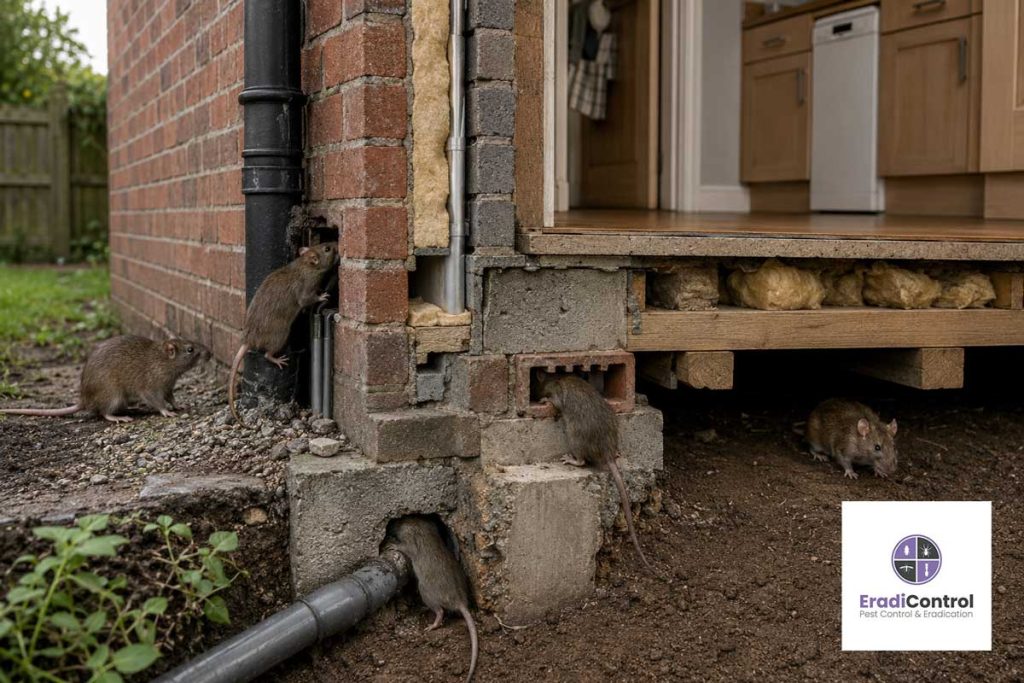
Many properties throughout Southampton contain small structural gaps that allow rodents access.
Common entry points include:
- Damaged air bricks
- Gaps around utility pipes
- Broken drains
- Missing roof tiles
- Damaged soffits and fascias
A rat only needs a surprisingly small gap to gain entry.
Why Rats Enter Homes in Southampton
Food Availability
Food is one of the biggest reasons rats move indoors.
Common attractants include:
- Bird feeders
- Pet food
- Compost bins
- Food waste
- Overflowing bins
- Fallen fruit
Even small amounts of accessible food can support rodent activity.
Warmth and Shelter
Rats are constantly searching for safe nesting locations.
Properties provide:
- Warm loft spaces
- Wall cavities
- Under-floor voids
- Garages
- Garden sheds
These areas offer protection from predators and weather conditions.
Seasonal Changes
While rats can be active throughout the year, activity often increases during autumn and winter as outdoor food sources become less reliable.
However, spring and summer can also see increased breeding activity, leading to larger populations around homes and businesses.
Common Signs of Rats in Southampton Properties
Scratching Noises
One of the most common reports from homeowners is hearing scratching noises.
These sounds often occur:
- At night
- In loft spaces
- Behind walls
- Under floors
Because rats are primarily nocturnal, many people first notice activity after dark.
Rat Droppings
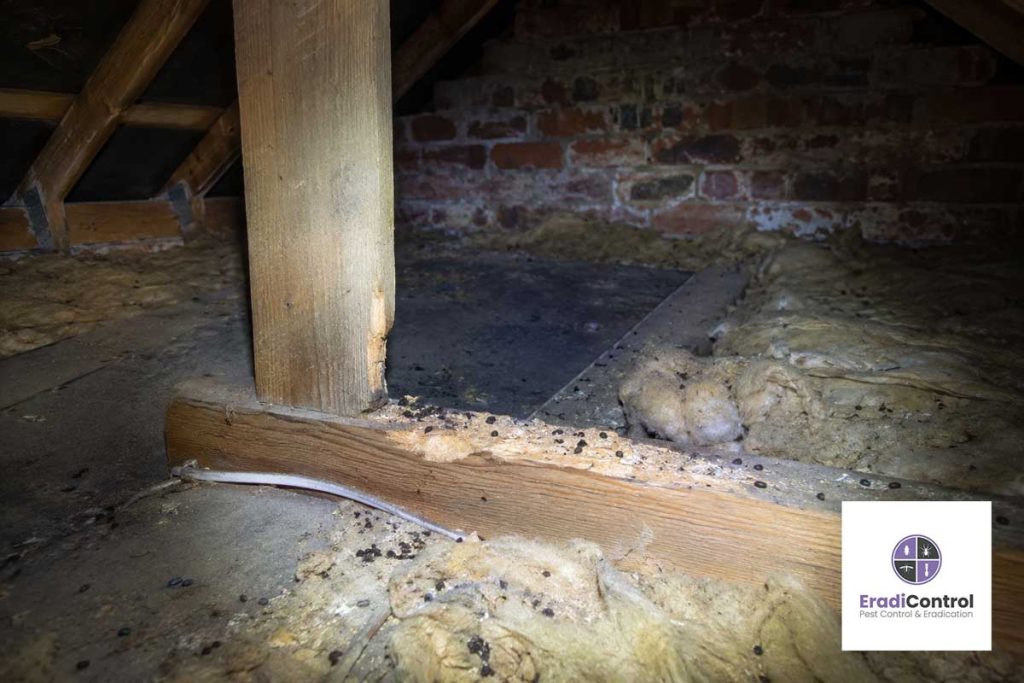
Rat droppings are usually:
- Dark in colour
- Capsule shaped
- Approximately 15 to 20 mm long
Fresh droppings indicate ongoing activity.
Gnaw Marks
Rats continually gnaw to keep their teeth from overgrowing.
Damage may appear on:
- Wood
- Plastic
- Electrical cables
- Packaging
- Pipework
This behaviour can create significant property damage if left untreated.
Grease Marks
Repeated rodent activity often leaves dark smears along walls and skirting boards.
These marks are created by oils and dirt on the rats’ fur.
Burrows in Gardens
Outside properties, rats frequently create burrows.
Look for:
- Holes in borders
- Tunnels under sheds
- Activity around compost heaps
- Burrows near decking
Why Rats Are a Serious Problem
Property Damage
Rodents are capable of causing extensive damage.
Common issues include:
- Damaged insulation
- Chewed wiring
- Contaminated storage areas
- Damaged pipework
Electrical damage caused by rodents can even increase fire risks.
Health Risks
Rats can contaminate surfaces and food preparation areas.
Potential concerns include:
- Food contamination
- Bacterial spread
- Parasites
- Unpleasant odours
This is particularly concerning in kitchens, food businesses and commercial premises.
Rapid Population Growth
A small rodent problem can become a large infestation surprisingly quickly.
Given suitable conditions:
- Rats breed rapidly
- Young mature quickly
- Populations expand fast
Early intervention is therefore essential.
Why Some Southampton Areas Experience More Rat Problems
Southampton City Centre
High-density housing, restaurants and commercial waste can create ideal conditions for rodents.
Portswood
The area’s mix of student accommodation, residential housing and food outlets often creates opportunities for rat activity.
Shirley
Older housing stock and established gardens can provide nesting opportunities and access points.
Bitterne and Woolston
Properties close to waterways and green spaces can sometimes experience increased rodent pressure.
Bassett and Hedge End
Larger residential properties, gardens and outbuildings can provide attractive nesting sites.
How to Prevent Rats Around Your Property
Secure Food Sources
Simple measures can make a significant difference.
These include:
- Storing food correctly
- Using secure bins
- Cleaning up spillages
- Protecting pet food
Maintain Your Property
Regular inspections help identify potential access points.
Check:
- Rooflines
- Air bricks
- Utility entry points
- Drain covers
- External walls
Manage Gardens Properly
Gardens can become ideal habitats if not maintained.
Reduce risk by:
- Controlling vegetation
- Managing compost bins
- Removing debris piles
- Monitoring sheds and outbuildings
Address Drainage Issues
Many infestations originate from damaged drainage systems.
Professional inspections can identify:
- Cracked drains
- Open pipework
- Rodent access routes
Professional Rat Control in Southampton
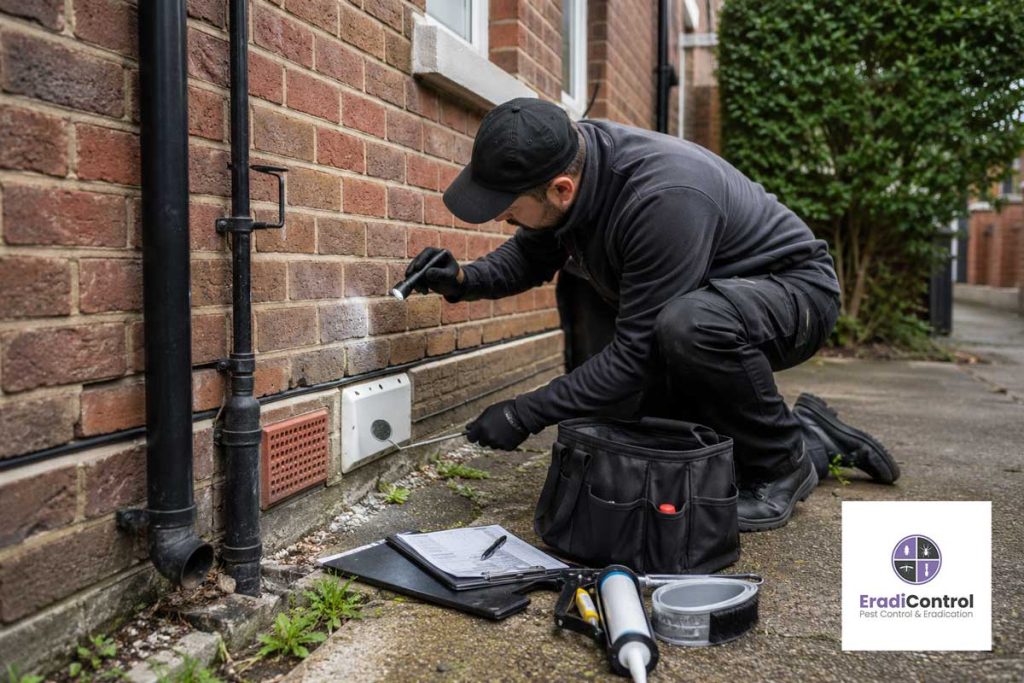
DIY methods can sometimes reduce visible activity but often fail to address the root cause.
Effective rodent management involves:
- Identifying entry points
- Locating nesting areas
- Assessing population size
- Implementing targeted treatment
- Providing proofing recommendations
Where infestations are established, professional Rodent Control is often the most reliable solution.
Experienced technicians understand local rodent behaviour and can identify issues that homeowners may miss.
Why Early Action Matters
Many people delay treatment after seeing a single rat.
Unfortunately, by the time rats become visible:
- Multiple animals are often present
- Nesting may already be established
- Damage may already be occurring
Acting quickly can significantly reduce the scale of the problem.
This is why many property owners choose to contact Southampton pest control specialists as soon as signs of activity appear.
Commercial Rat Problems in Southampton
Rodents can have serious consequences for businesses.
Industries commonly affected include:
- Restaurants
- Cafés
- Warehouses
- Retail premises
- Offices
- Hospitality venues
Potential consequences include:
- Reputational damage
- Contamination risks
- Customer complaints
- Regulatory concerns
Commercial premises benefit from ongoing monitoring and preventative measures.
The Importance of Rodent Proofing
Treatment alone is rarely enough.
Long-term success depends on:
- Excluding rodents
- Removing attractants
- Improving hygiene standards
- Ongoing monitoring
Proofing recommendations often include:
- Sealing structural gaps
- Installing mesh barriers
- Improving waste management
- Addressing drainage defects
Conclusion
Rats are a common problem throughout Southampton because the city provides ideal conditions for them to survive and breed. From the busy streets of Southampton city centre to residential areas such as Shirley, Portswood, Bassett, Bitterne, Woolston and Hedge End, rodent activity can affect virtually any property.
The key to successful control is early identification, professional treatment and effective proofing measures.
If you suspect rat activity around your property, seeking help from experienced professional pest control in Southampton can prevent a small issue becoming a significant infestation.
Frequently Asked Questions
Why are rats so common in Southampton?
Southampton’s dense population, food businesses, drainage systems and mix of residential and commercial properties provide ideal conditions for rats.
What attracts rats to my garden?
Food sources, compost bins, bird feeders, dense vegetation and available shelter can all attract rats.
How do rats get into houses?
Common entry points include damaged air bricks, gaps around pipes, roof defects and drainage systems.
Are rats more active in winter?
Rat activity occurs all year, but many infestations become more noticeable during colder months when rats seek warmth and shelter.
Can one rat indicate a larger infestation?
Yes. Seeing a rat often suggests there are others nearby, particularly if food and shelter are available.
Do rats damage electrical wiring?
Yes. Rats frequently chew electrical cables, creating potential safety hazards.
How quickly do rats reproduce?
Rats breed rapidly and populations can increase significantly within a few months if conditions are favourable.
Should I attempt DIY rat control?
Small issues may be manageable initially, but established infestations often require professional assessment and treatment.
 Domestic Pest Control
 Commercial Pest Control
 Eco-Friendly Pest Control
 Emergency Pest Control


Leave a Reply