

As temperatures begin to rise across the UK in early spring, many homeowners suddenly find themselves dealing with fleas. This often feels like it appears overnight, especially if there were no visible issues during winter.
In reality, flea infestations follow a predictable seasonal pattern. Warmer conditions trigger dormant flea eggs and larvae to develop, leading to a rapid increase in activity inside homes.
If you are noticing bites, pets scratching, or signs of fleas in carpets, this is usually the early stage of an infestation. Acting early is critical. In many cases, professional Flea Control is required to fully eliminate the infestation before it spreads.
Why Fleas Become Active in Spring in the UK
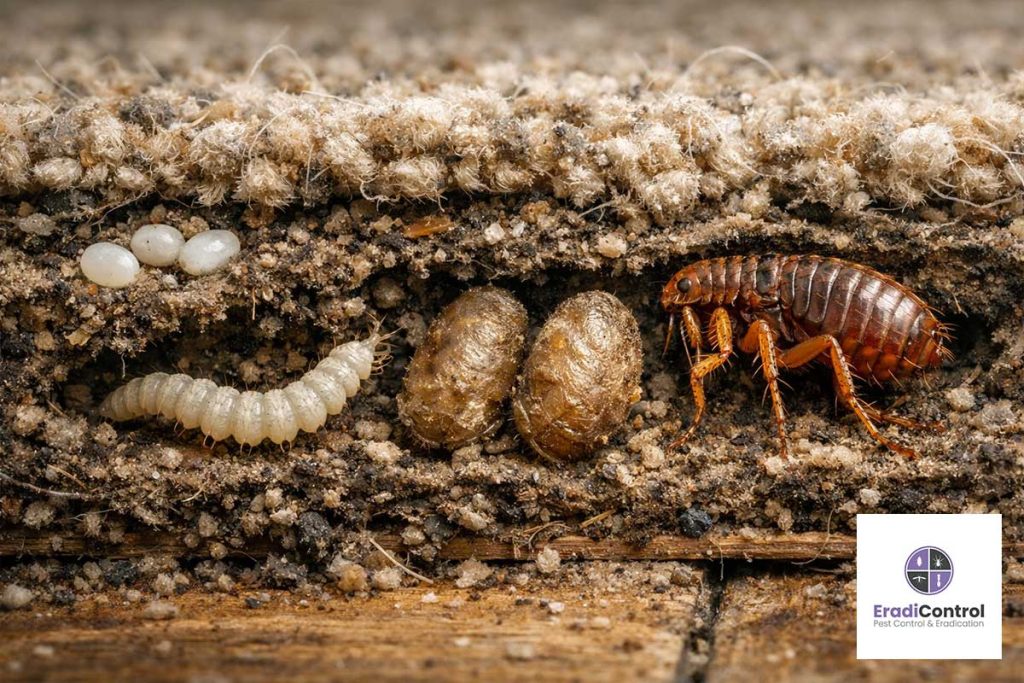
Warmer Temperatures Trigger the Lifecycle
Fleas can remain dormant for months in carpets, upholstery and flooring.
As temperatures rise:
- Eggs begin to hatch
- Larvae develop quickly
- Pupae emerge as adult fleas
- Adults seek hosts immediately
This is why infestations often feel sudden in spring.
Increased Movement and Activity in the Home
Simple changes such as:
- More foot traffic
- Opening windows
- Increased daily activity
can trigger dormant fleas to hatch all at once.
Pets Returning Outdoors
Pets play a major role in flea activity during spring.
Dogs and cats:
- Spend more time outside
- Come into contact with other animals
- Pick up fleas without immediate signs
This makes pet-owning households particularly vulnerable.
Where Fleas Come From in UK Homes
Pets Carry Fleas Indoors
Fleas live on animals but reproduce in the home.
They:
- Lay eggs in carpets and furniture
- Spread quickly across rooms
- Remain hidden in soft furnishings
Flea Eggs Already in the Property
Many infestations are not new. Eggs can sit dormant for months before hatching when conditions are right.
This is common in:
- Rental properties
- Homes that have recently changed occupants
- Properties with previous infestations
Shared Buildings and Neighbouring Properties
In flats, HMOs and shared buildings, fleas can spread between properties.
They may come from:
- Neighbouring flats
- Communal areas
- Shared hallways
This is why infestations in these environments often require coordinated treatment.
Signs of a Flea Infestation in the Home
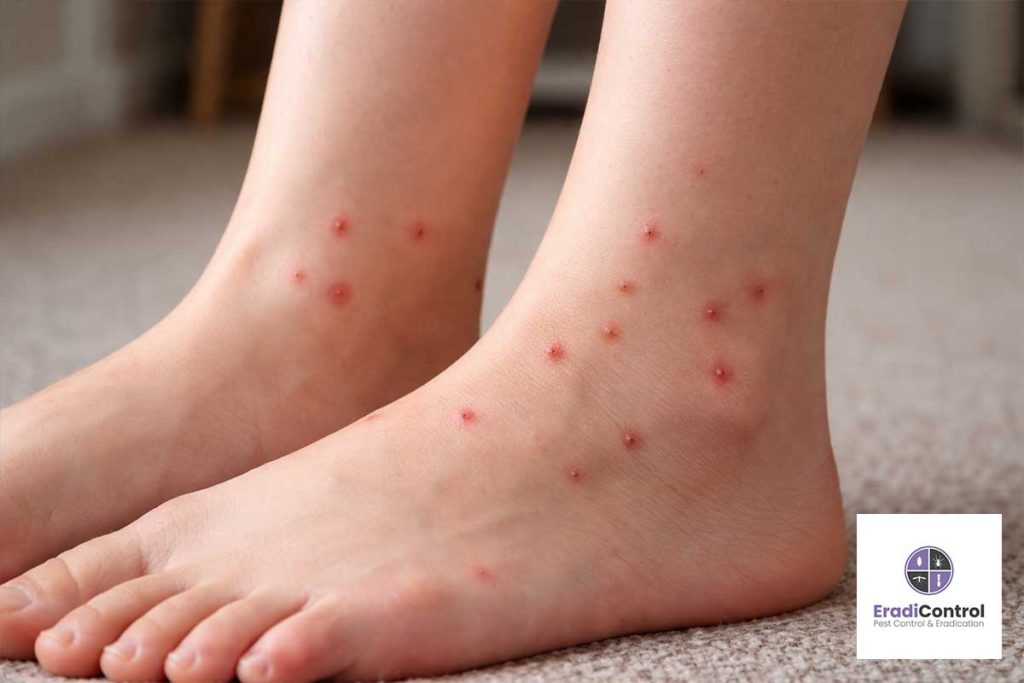
Bites Around Ankles and Lower Legs
Flea bites are one of the most common indicators.
They typically:
- Appear around ankles and legs
- Cause itching and irritation
- Appear in clusters
Pets Scratching or Biting
Pets often show the first signs.
Look for:
- Excessive scratching
- Biting at fur
- Small black specks in coat
Fleas in Carpets and Furniture
Adult fleas can sometimes be seen jumping in:
- Carpets
- Rugs
- Sofas
- Pet bedding
Why Flea Infestations Get Worse Quickly
Rapid Reproduction
A single flea can lay dozens of eggs daily.
This leads to:
- Fast spread across the home
- Continuous hatching cycles
- Increasing infestation levels
Most Fleas Are Not Visible
Only a small percentage of fleas are seen.
The majority exist as:
- Eggs
- Larvae
- Pupae
Hidden deep within carpets and furnishings.
Why Early Treatment Is Essential
Infestations Become Harder to Control
Once established, flea infestations require more intensive treatment.
DIY Treatments Often Fail
Many over-the-counter solutions:
- Only kill adult fleas
- Do not affect eggs
- Lead to recurring problems
This is why professional Flea Control is often needed to fully break the lifecycle.
Increased Risk in Rental and Shared Properties
Fleas can quickly spread between occupants, leading to:
- Ongoing reinfestation
- Complaints between tenants
- Difficulty identifying the source
Early treatment prevents these issues escalating.
How to Stop Fleas Before Summer
Vacuum Regularly
Focus on:
- Carpets
- Upholstery
- Edges of rooms
Wash Fabrics at High Temperature
Wash:
- Pet bedding
- Throws
- Cushions
Treat Pets Consistently
Pets must be treated alongside the home to avoid reinfestation.
Target the Entire Lifecycle
This is the most important step.
Without treating eggs and larvae, fleas will continue to return. Professional Flea Control targets all stages, preventing reinfestation.
Professional Flea Control in the UK
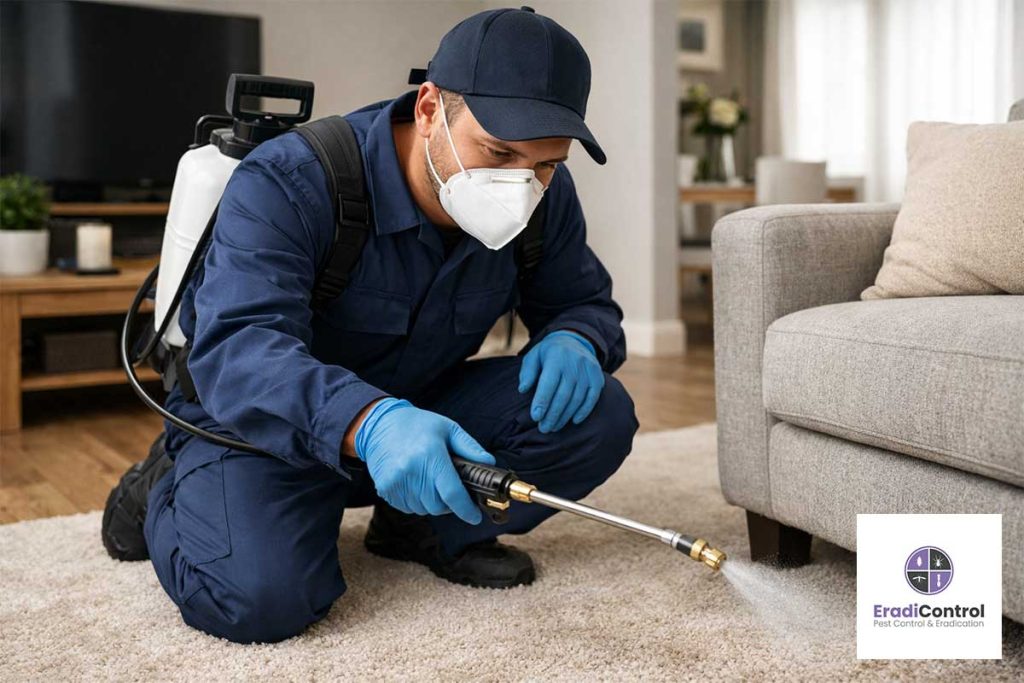
Spring is the most effective time to treat fleas before infestations become severe.
Professional treatment includes:
- Full inspection
- Targeted application to carpets and furniture
- Lifecycle disruption
- Follow-up if required
Fleas are one of the most common problems handled by Insect Control specialists, particularly in spring and early summer.
Fleas in Domestic and Rental Properties
Flea infestations are frequently dealt with under Domestic Pest Control, especially in:
- Pet-owning households
- Rental properties
- Student accommodation
- Shared buildings
These environments provide ideal conditions for fleas to spread and persist.
What to Do If You Already Have Fleas
If fleas are already present, immediate action can help reduce activity before treatment.
This guide on how to get rid of fleas in the house fast explains practical steps you can take straight away.
When to Seek Urgent Help
You should act quickly if:
- Fleas are present in multiple rooms
- Bites continue despite cleaning
- Pets remain affected
- The infestation worsens
In more severe cases, Emergency Pest Control may be required.
Long-Term Flea Prevention
To reduce future risk:
- Maintain regular pet treatments
- Vacuum frequently
- Act quickly at early signs
- Monitor after travel or new pets
Frequently Asked Questions About Fleas in the UK
If you are noticing signs of fleas, acting early is the most effective way to prevent a larger infestation. Professional Flea Control ensures the problem is dealt with properly before it spreads further.
 Domestic Pest Control
 Commercial Pest Control
 Eco-Friendly Pest Control
 Emergency Pest Control


Leave a Reply